
How much does a SaaS penetration test cost?
Build a useful budget from scope, tester time, reporting, and retesting. Includes a worked example and a checklist for comparing quotes.
A SaaS penetration test should be priced against the work needed to assess your application. For illustration, eight tester-days at an assumed $1,500 per day would cost $12,000 before any separately charged retest, expenses, or taxes. Those are hypothetical planning inputs, not a market average or a Counterweight Labs quote. Your actual price needs a defined scope and a provider's estimate.
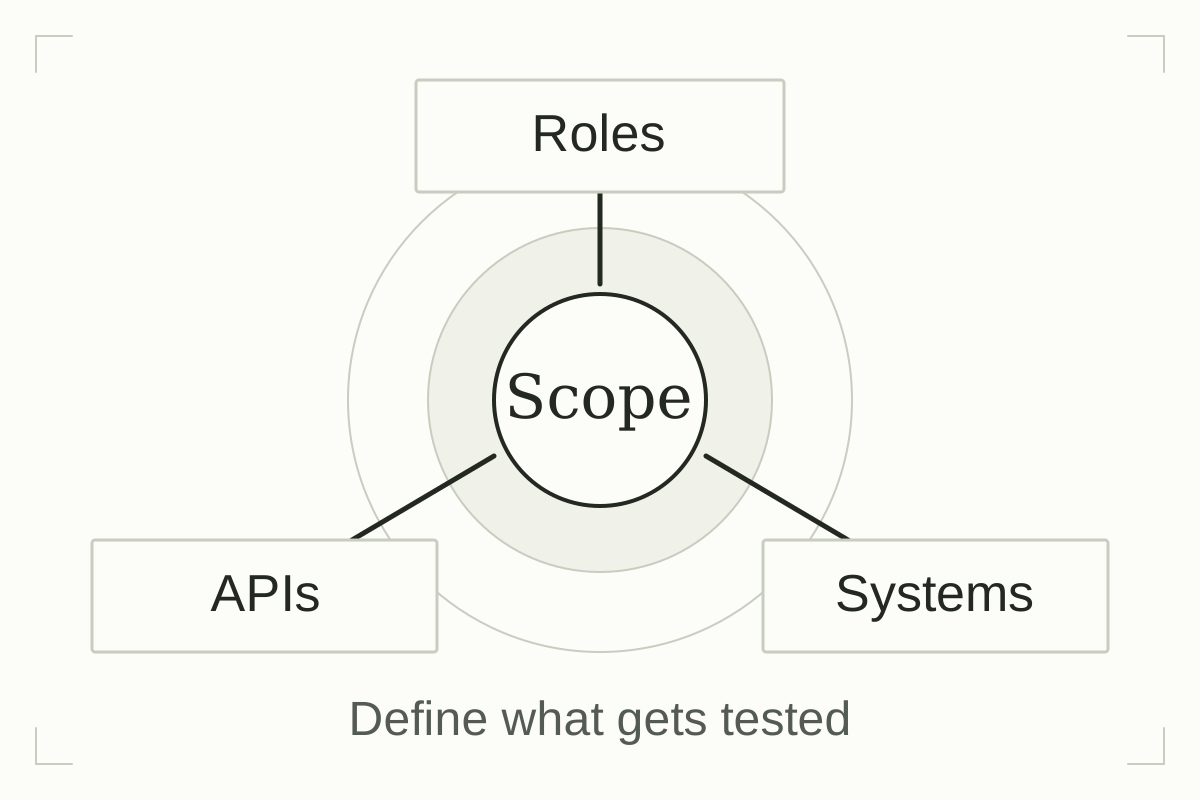
The budget question becomes easier when you describe what someone could do through the product. A three-page administration interface with billing controls, customer impersonation, and data export may require more investigation than a much larger read-only interface. Counting pages, endpoints, or lines of code gives a partial inventory; the permissions and workflows tell the tester where to spend time.
What changes the scope
Start with the customer-facing application and list its distinct trust boundaries. Include the API used by the browser, background workers, administrative functions, and integrations that can read or change customer data. Identify which parts the provider will test and which are excluded. OWASP's Web Security Testing Guide describes a framework spanning testing techniques and the development lifecycle; saying a quote is OWASP-based does not specify how deeply your product will be assessed.Source: OWASP Web Security Testing Guide
| Scope detail | What to tell the provider |
|---|---|
| Users and tenants | Roles, organization boundaries, invitations, support access, and account recovery. |
| Sensitive workflows | Payments, exports, uploads, approvals, provisioning, and administrative changes. |
| Connected systems | Identity provider, cloud storage, webhooks, APIs, and AI tools with data access. |
| Testing access | Source availability, architecture notes, test accounts, staging differences, and rate limits. |
| Evidence required | Technical findings, executive summary, coverage notes, and agreed retesting. |
A provider may quote a fixed fee after scoping or sell a time-boxed engagement. For a fixed fee, ask how changes to the application affect the price. For a time box, agree on priority workflows and what happens when the allocated time runs out. Neither arrangement implies complete coverage of every possible attack.
A budget example you can replace with your own inputs
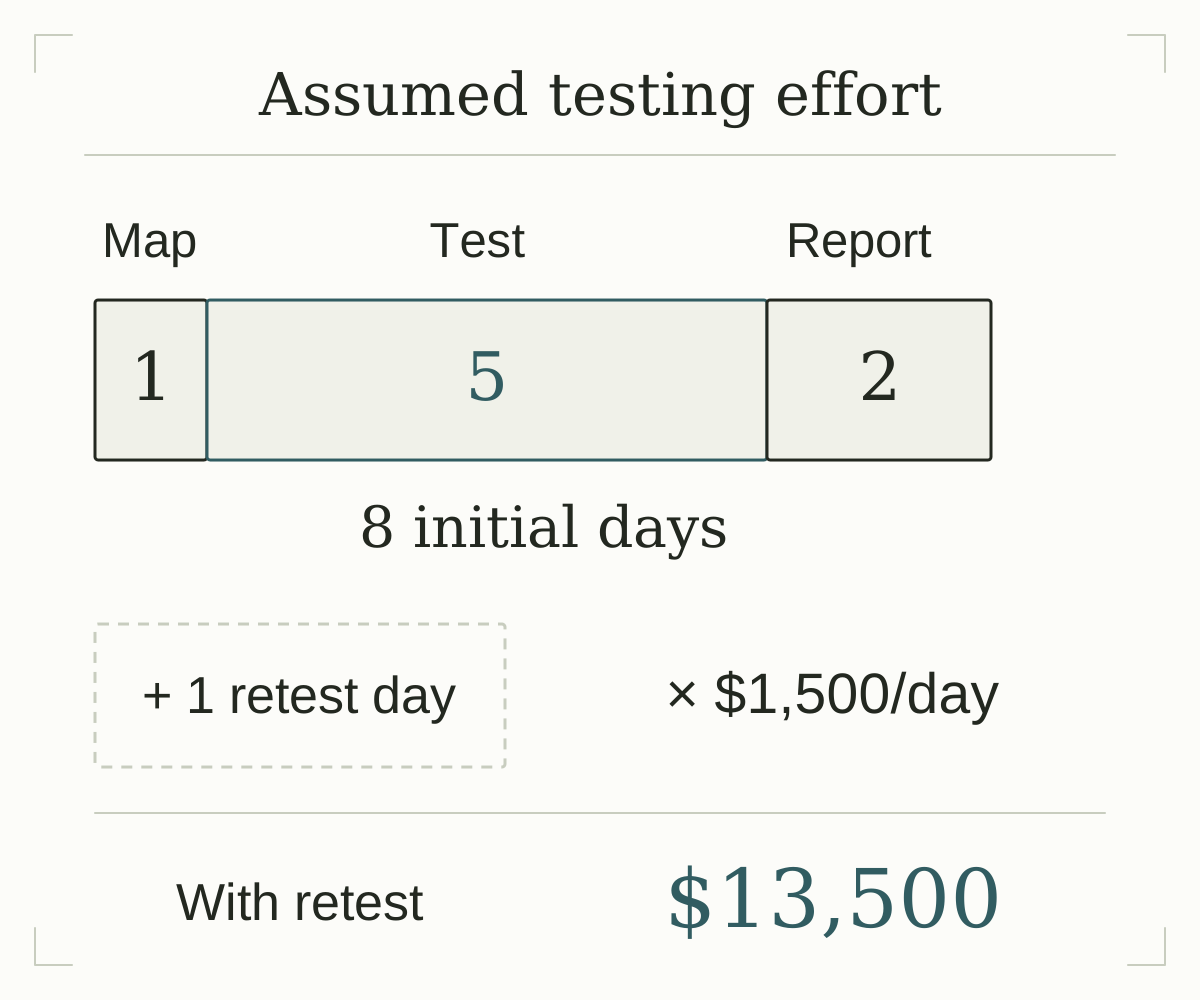
Suppose a fictional team wants one application tested, with two tenants, three user roles, an API, and an export workflow. The following allocation is an illustrative worksheet. A provider should replace it with an estimate based on the architecture and the depth of testing you agree to.
| Activity | Assumed days | At $1,500/day |
|---|---|---|
| Scoping, access checks, and mapping | 1 | $1,500 |
| Application and API testing | 5 | $7,500 |
| Evidence, reporting, and handoff | 2 | $3,000 |
| Initial engagement total | 8 | $12,000 |
| Optional agreed retest | 1 | $1,500 |
The assumed total with retesting is $13,500. It excludes your engineers' time preparing access, answering questions, and implementing fixes. Add those hours to the internal project plan even when they do not appear on the testing invoice. If the deadline is a customer review, reserve time for remediation and evidence delivery after the first report.
Compare the coverage behind the price
Give each provider the same scope packet. Ask whether authenticated testing covers every agreed role, whether API and tenant isolation testing are included, and how source access will be used. Ask who validates automated findings and how the report distinguishes a reproduced vulnerability from a suspected weakness. A sample report can show how much work your team will need to turn a finding into a fix.
- Confirm what the fee includes: scoping, testing, report review, remediation questions, and retesting.
- Ask for exclusions and constraints in writing, including third-party systems and disruptive test techniques.
- Agree on urgent-finding notification, evidence handling, and the report delivery date.
- Define the retest window and whether it covers the original finding, related variants, or a broader reassessment.
Reduce wasted testing time
Before testing begins, verify that accounts can reach the intended workflows and that test data exercises the relevant permissions. Provide a short demonstration of the hardest-to-discover product behavior. Share known issues so the tester can distinguish them from new findings. If your budget is constrained, prioritize the workflows whose failure would expose customer data or change privileges, and record the deferred scope explicitly.
Send a one-page scope brief with the application, user roles, sensitive workflows, desired deliverables, and deadline. That gives the provider enough context to explain its estimate and gives you a basis for deciding whether the proposed coverage is worth the cost.
Sources
- OWASP Web Security Testing Guide wstg.owasp.org
Bring your application, roles, integrations, and deadline. We can define a testing scope and quote the work against it.
Explore penetration testingContinue reading
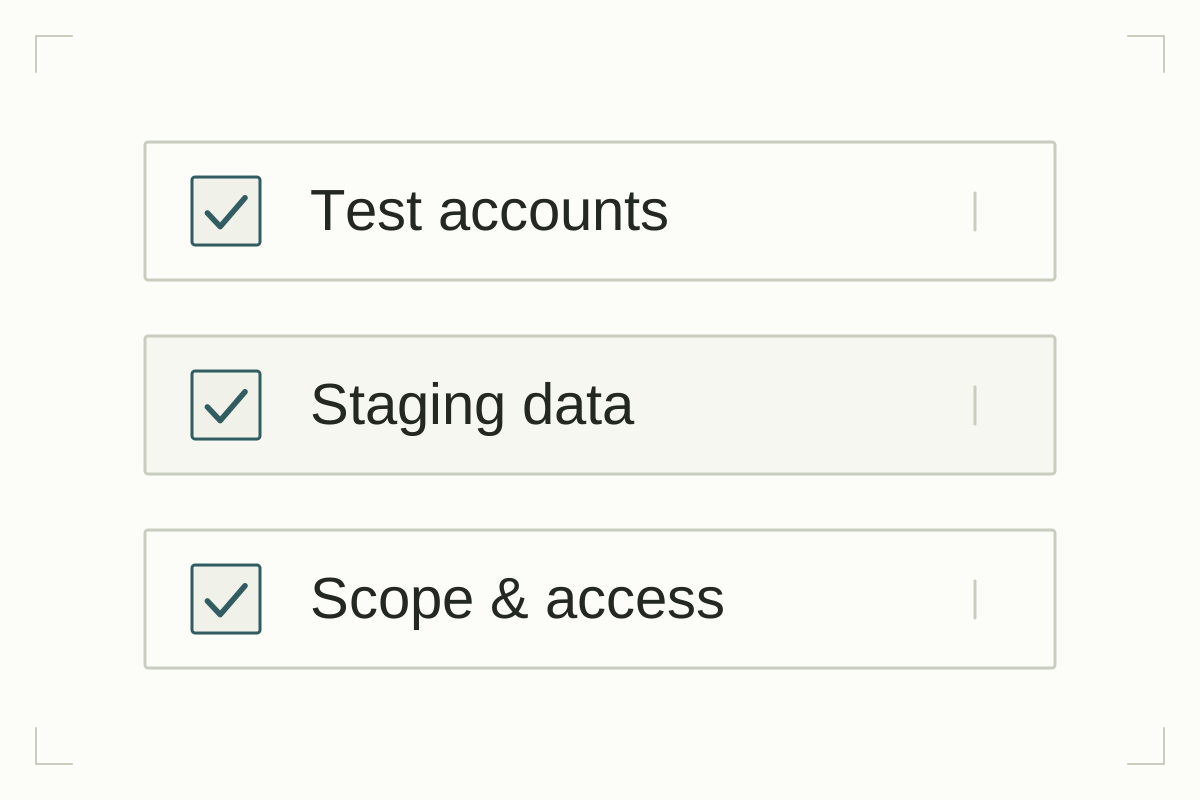
SaaS penetration testing checklist: prepare your application
The accounts, permissions, test data, and operating arrangements that let a penetration test reach the workflows you need assessed.
Read the guide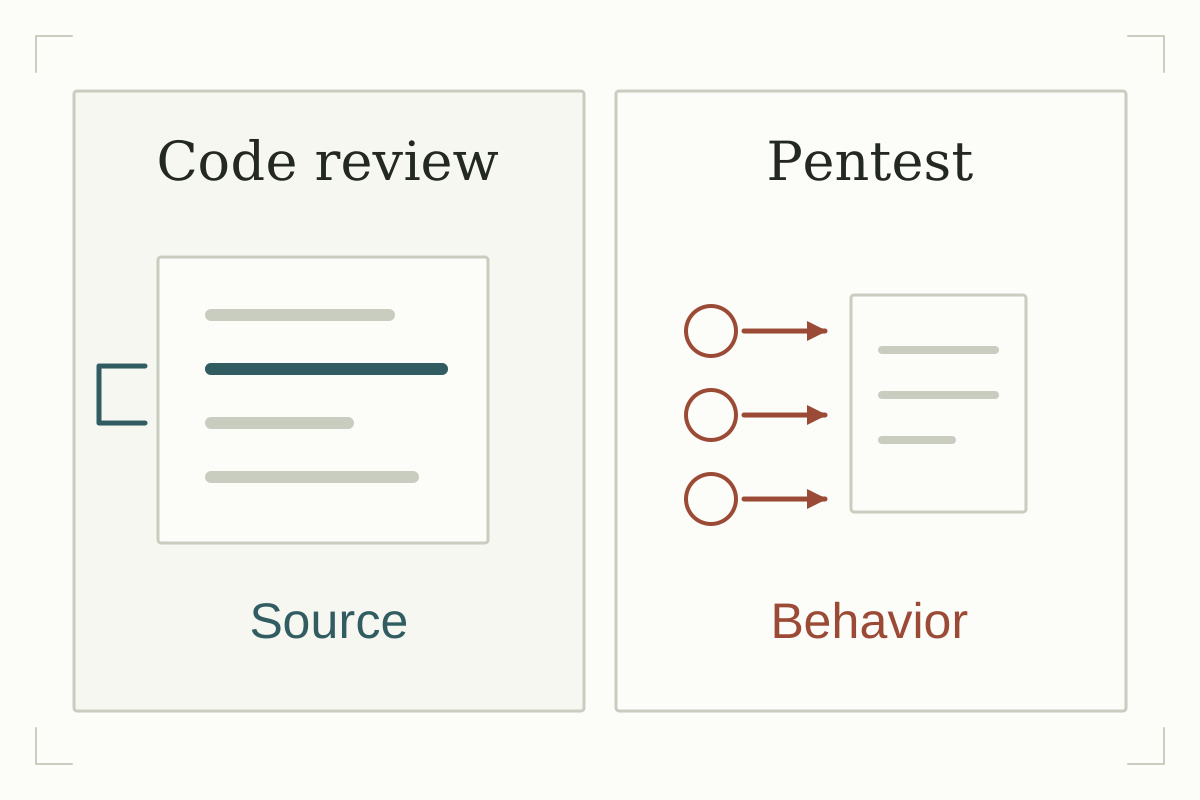
Secure code review vs. penetration testing: which do you need?
Choose an assessment based on the question you need answered, the access you can provide, and the evidence your team needs to act.
Read the guide